
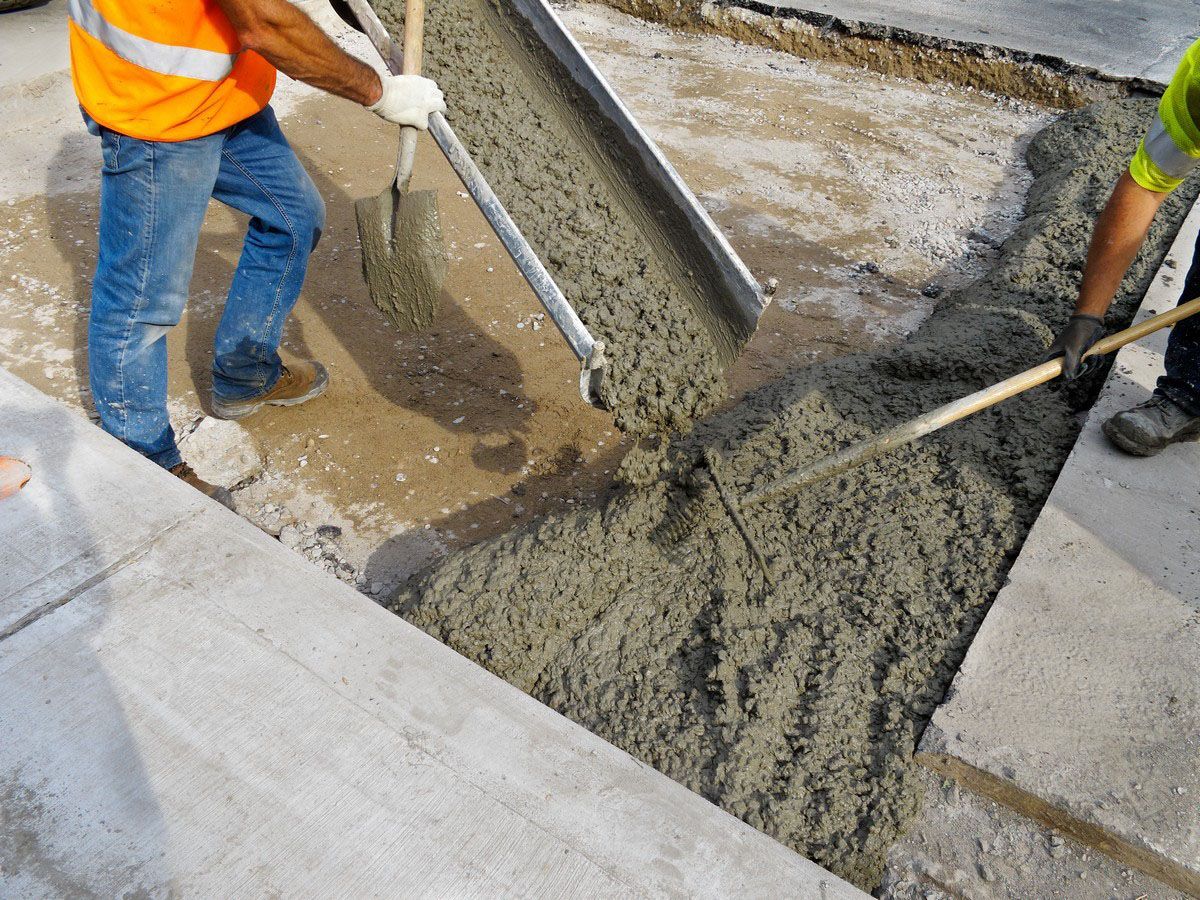
Avoid costly paving errors on your next build. Discover the six common mistakes concrete companies see daily and learn how to get durable, lasting results.
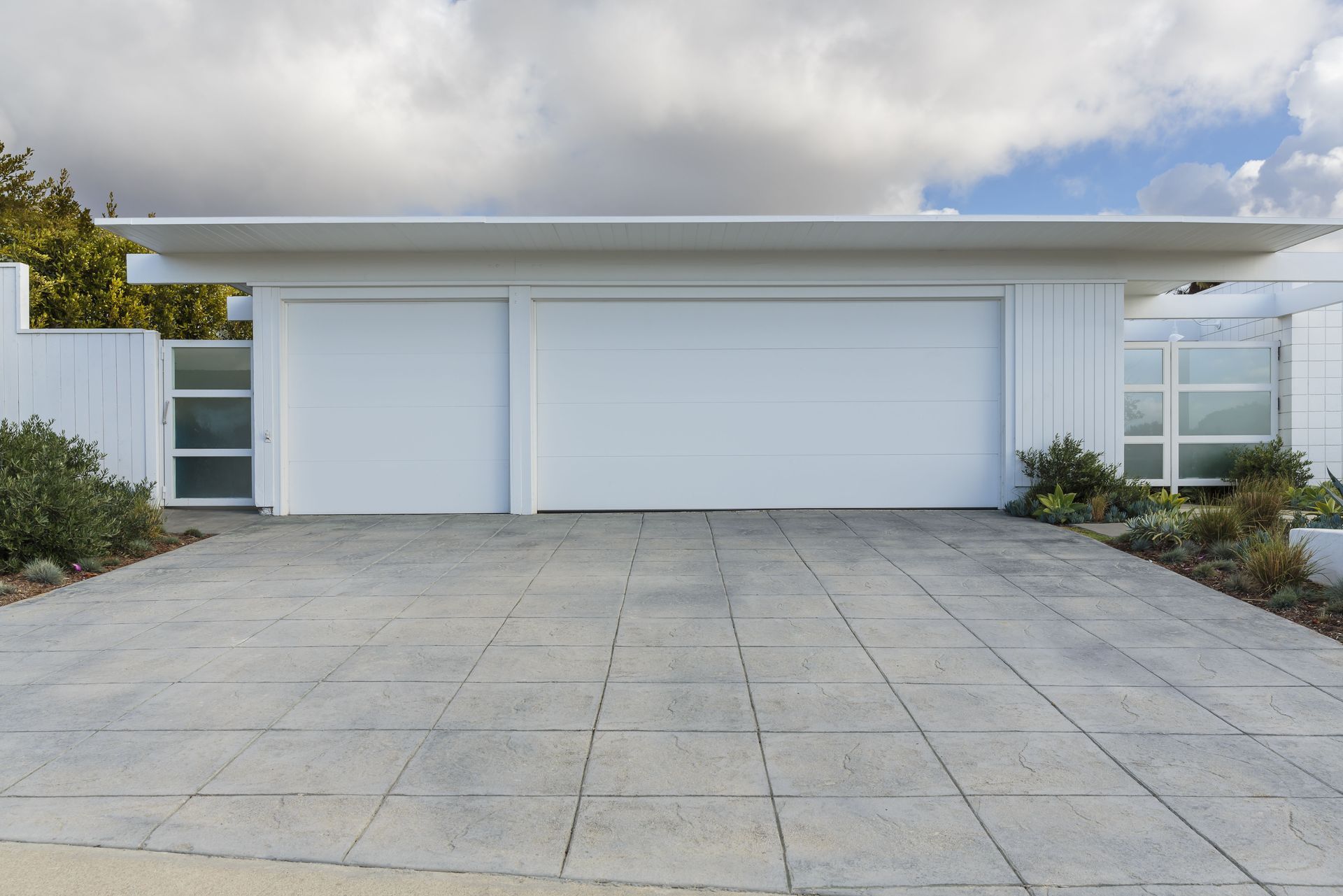
An experienced concrete contractor can customize the appearance of a concrete driveway through advanced stamping, tinting, scoring, or brushing techniques.
Sidewalk accessibility is something every community should be focused on to ensure people who use wheelchairs or crutches are able to easily navigate the city safely. The Americans with Disabilities Act (ADA) has a number of guidelines in place that help ensure accessibility for people with disabilities in all areas, including transportation infrastructure. Here is a quick overview of some of the specific requirements for wheelchair accessible sidewalks in Philadelphia, PA under the ADA: Width: The ADA has specific sidewalk width requirements to ensure they are capable of being used by people in wheelchairs. Compliant sidewalks are at least three feet wide. If less than five feet wide, there must be passing spaces created at certain intervals, measuring at least 60 inches on all sides. These passing zones should be placed every 200 feet. Texture: The texture of the sidewalk should be slip-resistant, stable and firm, which helps ensure people using mobility devices are more easily able to navigate the sidewalk without safety concerns. Any finishing done on standard concrete must be performed with these standards in mind. These standards are also in place for any grates that may be inset into the sidewalk. The openings in grates should be less than ½ inch across to ensure mobility devices do not get stuck in them. Ramps: Curb ramps are required any time a sidewalk crosses a curb, especially at street intersections. These curb ramps have specific slope requirements (less than 1:12) and must be at least 36 inches wide with a detectable warning device, such as raised dome surfaces and contrasting colors. You’ll often find many ADA compliant curb ramps are painted bright yellow to make them easily noticeable. If there is a marked crosswalk, the ramp should be entirely contained in the crosswalk. Slope: There are specific slope requirements for ADA sidewalks (less than 1:20). Otherwise, any sidewalk that exceeds this slope requirement will technically be classified as a ramp, which makes it subject to different ADA standards. Increases of more than ½ inch in elevation and exceeding the allowable slope for a sidewalk will require constructions of ramps or, in more severe circumstances, elevators or other types of compliant assistance facilities. There must always be alternatives to escalators and stairs. Obstructions: There may be obstructions in the sidewalk, such as utility poles, traffic signal devices, fire hydrants and various other types of infrastructure. An ADA compliant sidewalk must have at least 36 inches of space between the edge of the obstruction and the edge of the sidewalk. If the sidewalk cannot feasibly be constructed to comply with this standard, it is possible the obstruction will need to be relocated or removed entirely. These are just a few examples of some of the requirements municipalities must follow when designing new sidewalks or renovating old ones. For more information about ADA requirements for accessibility in public spaces, we encourage you to contact Philly Concrete & Asphalt Paving Inc. today. We’d be happy to tell you more about how we can help with wheelchair accessible sidewalks in Philadelphia, PA.

