By Ron Murphy
September 24, 2026
When it is time to upgrade your home’s exterior, replacing or installing a new driveway is one of the most impactful investments you can make for your property. The driveway is not only a highly functional pathway for your vehicles, but it also serves as a major focal point for your property's overall curb appeal. Homeowners across Philadelphia and Bucks County constantly face a classic, long-standing dilemma: should they choose an asphalt driveway or a concrete driveway?
While both of these popular materials offer excellent, unique benefits, making the right choice ultimately depends on your specific lifestyle needs, aesthetic preferences, budget constraints, and the unpredictable local climate of Pennsylvania. To help you make an informed and confident decision before reaching out to a professional concrete contractor, we have compiled a comprehensive and detailed guide outlining the core distinctions between these two reliable paving materials. By understanding the advantages and limitations of each option, you can choose a surface that enhances your home’s value and functionality. Let’s dive deep into the asphalt vs. concrete driveway debate and explore the 6 key differences you need to know.
1. Composition and Appearance
The fundamental distinction between asphalt and concrete lies in their underlying material composition, which directly influences their final look. Asphalt is an aggregate mix made of crushed stone, sand, and gravel bound together by asphalt cement, which is a thick, dark, petroleum-based product. This unique mixture gives asphalt its signature dark, sleek, blacktop appearance, which is highly prized for its clean, seamless, and uniform look.
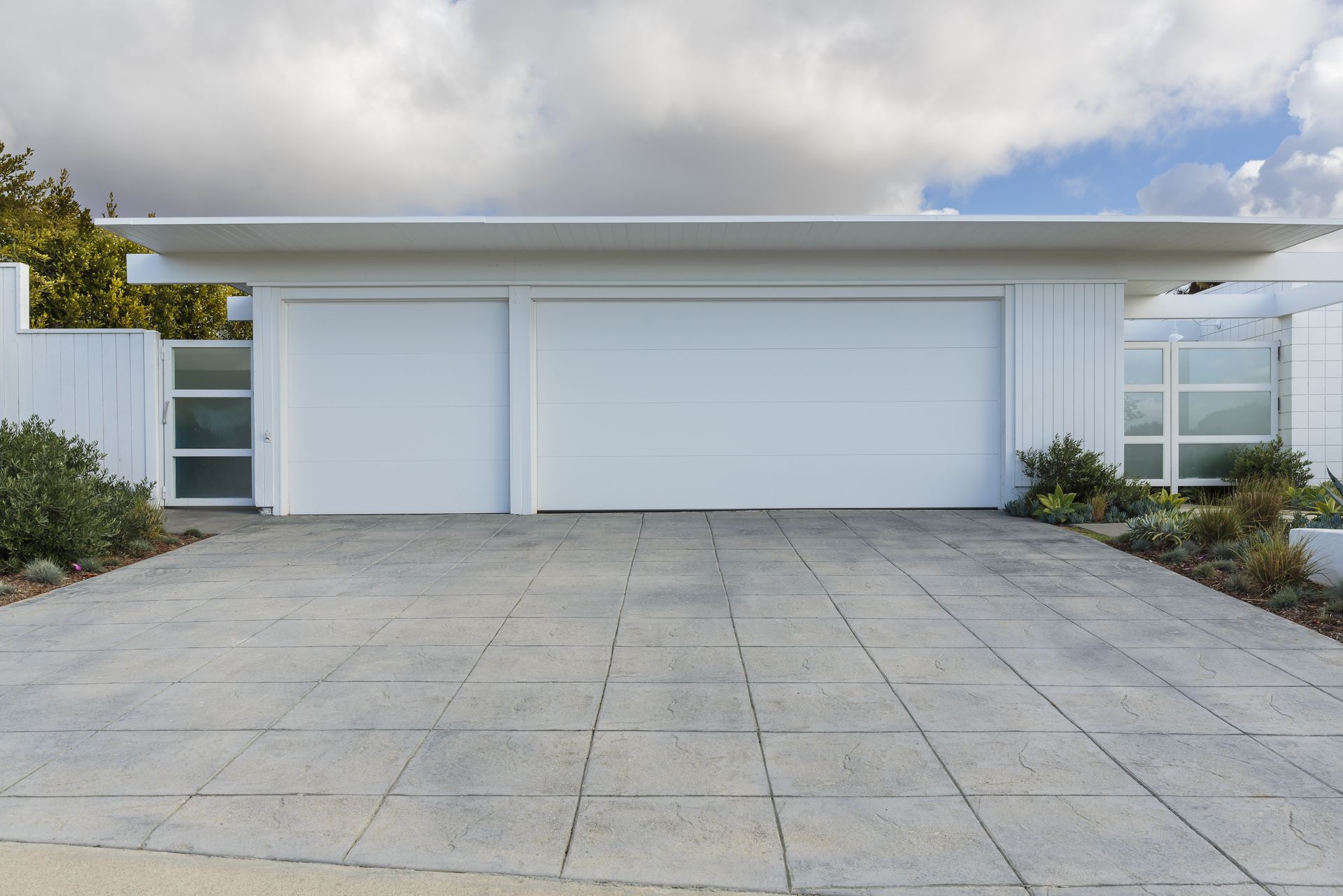
Concrete, on the other hand, consists of a precise aggregate blend — typically crushed rock or sand — bound together by Portland cement and water. In its standard, traditional form, concrete provides a bright, grayish-white finish that offers a classic, neat, and highly versatile aesthetic. Because of this structural makeup, concrete is remarkably adaptable. An experienced concrete contractor can customize the appearance of a concrete driveway through advanced stamping, tinting, scoring, or brushing techniques to beautifully mimic the look of more expensive materials like brick, cobblestone, or natural slate. This incredible adaptability makes concrete the superior choice if you are seeking unique decorative finishes that perfectly match your home's exterior architecture.
2. Installation and Timeline
When comparing the installation process, asphalt generally offers a much faster turnaround time than concrete. A standard residential asphalt driveway can often be laid down in just a day or two, and because the material cools and hardens rapidly, you can typically begin parking and driving on it just a couple of days after the installation is complete.
Concrete involves a significantly more meticulous preparation and curing process. Before pouring new concrete, any old materials, debris, or unstable soils must be completely excavated. If you are replacing an existing surface, you must account for the time it takes to demolish and haul away the old material. According to HomeGuide, removing a concrete slab typically takes one to two days. Once the site is perfectly graded and prepared, the wet concrete is poured, leveled, and finished with precision. The crucial difference here is the extended curing time. In our experience, a newly poured concrete driveway usually requires about seven days of uninterrupted curing before it can safely support the heavy weight of a standard vehicle. While the initial wait is undeniably longer, consulting a knowledgeable concrete contractor ensures that the critical sub-base preparation and the intricate curing process are executed flawlessly to guarantee long-term stability and prevent premature cracking.
3. Durability and Lifespan
Durability is often the deciding factor for homeowners in Philadelphia and Bucks County looking to maximize their investment. Asphalt is intrinsically a flexible material, meaning it has the ability to expand, contract, and flex slightly without cracking under the pressure of heavy vehicles or shifting soils. However, in our experience, despite this flexibility, it generally has a shorter overall lifespan, typically lasting anywhere between 15 and 20 years with proper, consistent maintenance.
Concrete, conversely, is incredibly rigid, dense, and remarkably strong. When installed properly by our skilled concrete contractor, a high-quality concrete driveway can easily last anywhere from 30 to 50 years — and sometimes even longer. It can bear significantly heavier loads than asphalt and is far less prone to deteriorating, crumbling, or softening at the edges. Because of its intense rigidity, however, concrete does not flex. Without the proper installation of meticulously spaced control joints to accommodate ground shifting and extreme temperature fluctuations, concrete can crack. The vastly superior lifespan of concrete, however, often makes it the highly preferred, permanent driveway solution for property owners who want a true long-term installation.
4. Maintenance and Upkeep
Maintenance requirements contrast sharply between these two popular paving materials. Asphalt requires a dedicated schedule of regular upkeep to preserve its structural integrity and its deep black appearance. To prevent the surface from drying out and oxidizing, you will need to sealcoat a new asphalt driveway about six months to a year after installation, and then consistently reapply a sealcoat every three to five years thereafter. Additionally, asphalt is naturally prone to developing potholes, divots, and edge deterioration, requiring frequent patching and minor repairs to prevent damaging water infiltration.
In contrast, concrete is notoriously low maintenance. Aside from occasional sweeping to clear debris, seasonal pressure washing, and promptly spot-cleaning corrosive oil or grease stains, it requires very little day-to-day attention. While you can choose to apply a penetrating protective sealer every few years to guard the surface against moisture absorption and harsh de-icing chemicals, it is not strictly necessary for maintaining the driveway's core structural integrity. Establishing a relationship with a local concrete contractor for periodic maintenance checks and professional cleanings can keep your concrete driveway looking pristine, bright, and welcoming for decades with minimal personal effort on your part.
5. Climate and Weather
Climate adaptability is a particularly relevant consideration for property owners in Pennsylvania, where freezing, icy winters and sweltering, humid summers are the expected norm. Asphalt naturally absorbs heat because of its dark color, making it an excellent, highly functional surface during the freezing winter months. The retained heat helps melt snow and ice much faster, and the inherently flexible nature of asphalt helps it survive the violent freeze-thaw cycles that can heave and warp the ground beneath it. However, in the extreme, relentless heat of mid-summer, asphalt can become soft, sticky, and highly susceptible to permanent tire indentations or scuffing from steering heavy vehicles.
Concrete naturally reflects sunlight rather than absorbing it, keeping the surface significantly cooler to the touch during the blazing summer months. The primary downside of concrete in the winter is that excessive use of standard road salts and certain aggressive de-icing chemicals can cause the surface layer of the concrete to pit, scale, or spall over time. A reliable paving professional will strongly recommend using plain sand for traction or choosing specific, concrete-safe de-icers to safely preserve the smooth surface of your driveway through the harsh Philadelphia winters without causing chemical damage.
6. Cost and Investment
Your budget is undeniably one of the most critical factors when planning any major home improvement project. In terms of strict initial installation costs, asphalt is generally the more affordable, budget-friendly option. Because the material is faster and easier to install, and the raw petroleum-based materials are traditionally less expensive, you will almost always spend less money upfront to pave an asphalt driveway.
Concrete driveways demand a noticeably higher initial investment. The rising cost of materials, coupled with the highly labor-intensive site preparation, pouring, and finishing processes, inherently drives the final price tag higher. However, savvy homeowners must view this cost disparity through the lens of long-term return on investment (ROI). Because concrete can easily last twice as long as an asphalt surface and requires significantly less ongoing maintenance, sealcoating, and repair work, it frequently proves to be the much more cost-effective and economical choice over the entire life of the property. Getting a comprehensive, detailed estimate from a trusted concrete contractor can help you carefully weigh the lower upfront costs of asphalt against the exceptional long-term financial benefits of concrete.
Contact Philly Concrete and Asphalt Paving today to schedule your personalized consultation, and let us help you design and build the perfect, long-lasting driveway for your home!